On November 24, 2025, Tesco Stores Ltd. issued an urgent food recall for its 300g Celery, Fruit and Nut Salad after discovering undeclared mustard in the ingredient list—a hidden risk for anyone with even a mild allergy. The product, with a use-by date of December 2, 2025, was pulled from shelves across the UK after the Food Standards Agency confirmed the labeling error. No illnesses have been reported, but the oversight is serious: mustard is one of the 14 major allergens legally required to be clearly listed under UK law. For allergic consumers, this isn’t just a paperwork glitch—it could mean anaphylaxis.
Why This Recall Matters
Mustard allergies, while less common than peanuts or dairy, are among the most dangerous when triggered. Reactions can escalate rapidly: swelling, difficulty breathing, even cardiac arrest. The Food Standards Agency mandates that any undeclared allergen triggers an immediate recall. In this case, the error slipped through during production—likely because mustard seed powder was used as a flavor enhancer but wasn’t added to the label. It’s not unusual. In 2024, the UK recorded 212 allergen-related recalls, up from 148 in 2020. The trend shows that as retailers add more complex, pre-packaged salads and convenience meals, labeling accuracy is slipping behind innovation.
What’s in the Product and Who’s Affected
The Tesco Celery, Fruit and Nut Salad contains celery, raisins, sultanas, walnuts, almonds, and a dressing that, unbeknownst to consumers, includes mustard. The label lists nuts and celery—but not mustard. That omission is a violation of the Food Safety and Hygiene (England) Regulations 2013. The Food Standards Agency requires retailers to notify local authorities within four hours of discovering such an error. Tesco complied, but the public only learned about it when Allergen Inside published the alert on November 24.
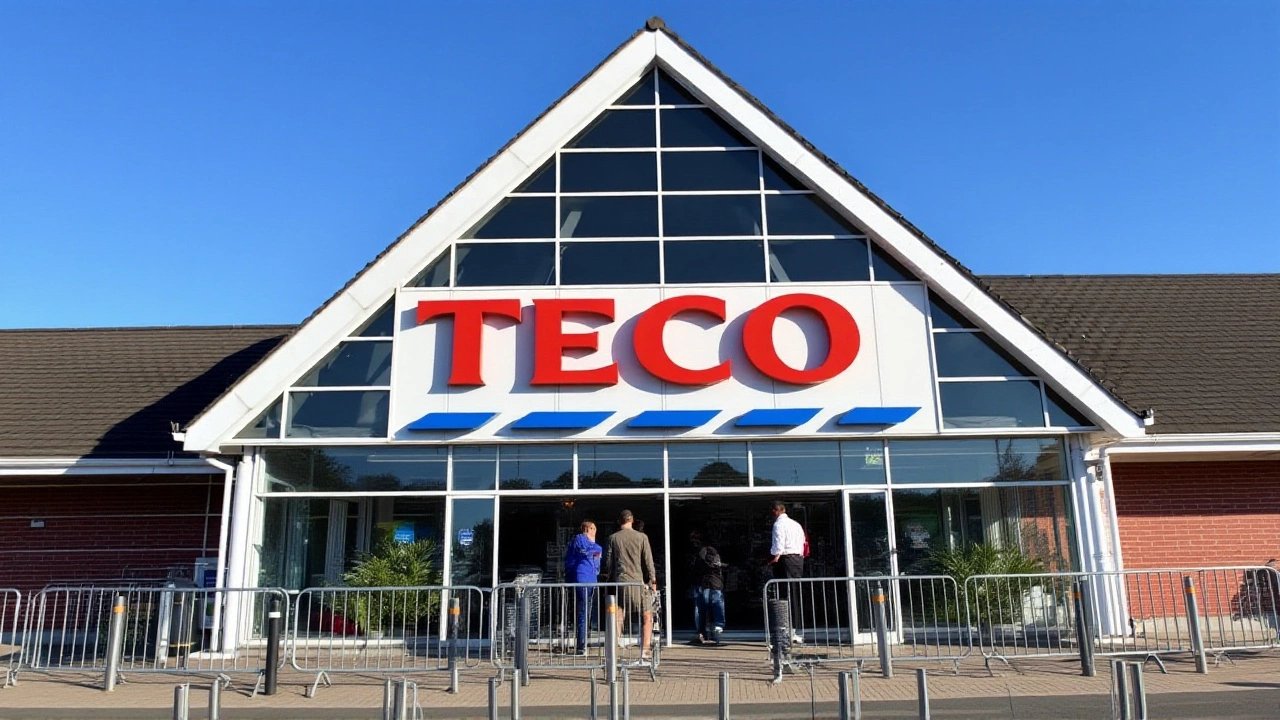
The product was distributed nationwide through Tesco’s 3,500+ stores, from urban high streets to rural outposts. No batch numbers or production facility details were released, making it impossible for consumers to pinpoint exactly which tubs are affected. That’s a gap. But the agency’s guidance is clear: if you bought it, return it.
What Consumers Should Do
If you have this salad in your fridge, don’t eat it. Don’t risk it. Even if you’ve never had a reaction before, allergies can develop at any age. The recall notice, posted on Tesco’s website and in-store, says you can return the product for a full refund—even without a receipt. That’s standard practice in the UK, designed to remove barriers to safety. You don’t need to wait for a letter or an email. Just take it back.
Asda, Tesco’s main competitor, has a generic recall page on its website, but it doesn’t mention this product. Its notice—visible as of November 24—only says customers can return items with best-before dates up to November 30 or December 31, 2025. No specifics. No brand names. No allergens listed. It’s a placeholder. That’s not helpful. And it raises a question: if Tesco’s recall was publicized, why isn’t Asda’s page updated? Are other retailers quietly sitting on similar issues?
What’s Next for Food Safety in the UK
This isn’t the first time Tesco has had an allergen issue. In 2023, it recalled a chicken tikka masala curry due to undeclared milk. In 2022, a vegan wrap was found to contain egg. Each time, the company issued a recall. But the pattern suggests a deeper problem: supply chain complexity. More ingredients. More subcontractors. More handoffs. And fewer checks.
Experts say the system is stretched thin. “Retailers are under pressure to cut costs and speed up production,” says Dr. Helen Carter, a food safety researcher at the University of Reading. “Labeling is often outsourced to third-party printers. A single typo in a digital file can mean hundreds of thousands of incorrect labels.”
The Food Standards Agency is reviewing its audit protocols. A pilot program in the Midlands is testing blockchain-based traceability for allergens—tracking every ingredient from farm to shelf. But that’s years away. In the meantime, consumers must be their own watchdogs.
Why This Recall Is a Wake-Up Call
For many, a salad is a healthy choice. For others, it’s a potential trap. The fact that mustard—an ingredient so common in dressings, sauces, and spice blends—was missed speaks to how easily errors slip through. And while no one has been hospitalized yet, the clock is ticking. The product’s use-by date is December 2. That gives people just over a week to find it in their pantries, check the label, and act.
It’s not just about Tesco. It’s about the entire system. If a multinational like Tesco—a company with billions in revenue and a global supply chain—can miss this, what about smaller brands? What about takeaway meals? What about school lunches?
Food safety isn’t a checklist. It’s a culture. And right now, that culture is failing.
Frequently Asked Questions
How do I know if I have the recalled Tesco salad?
Look for the 300g pack labeled "Tesco Celery, Fruit and Nut Salad" with a use-by date of December 2, 2025. The packaging is typically clear plastic with a green and white design. If you’re unsure, check the barcode on the back—it should start with 5010558. If you bought it from Tesco between November 1 and November 23, assume it’s affected. Return it regardless.
What should I do if I ate this salad and have a mustard allergy?
If you have a known mustard allergy and consumed the product, monitor for symptoms like itching, swelling, stomach cramps, or difficulty breathing. If any appear, use your epinephrine auto-injector immediately and call 999. Even if you feel fine, contact your GP—some reactions can be delayed. The Food Standards Agency has no reports of hospitalizations yet, but that doesn’t mean risk is zero.
Why didn’t Tesco catch this before the product was sold?
Tesco sources ingredients from multiple suppliers, and the mustard may have been added as a minor component in a pre-mixed dressing by a third-party vendor. Final label checks are often outsourced, and automated systems sometimes miss small print or ingredient substitutions. Internal audits in 2024 found 17% of pre-packaged salads had labeling inconsistencies—mostly minor, but this one was critical.
Are other Tesco salads affected?
As of now, only the 300g Celery, Fruit and Nut Salad with the December 2, 2025 use-by date is confirmed. Tesco says it’s reviewing all similar products with nut or dressing-based ingredients, but no further recalls have been announced. Consumers should still check labels carefully—especially on products with "seasoning," "dressing," or "flavoring" listed without full breakdowns.
Why didn’t Asda mention this recall on their site?
Asda’s recall page appears to be a generic template, not an active alert system. It doesn’t list specific products or allergens, which is inadequate. The company hasn’t issued a statement on this recall, suggesting it’s not distributing the product. But their lack of transparency leaves customers confused. If you bought the salad elsewhere, you’re still at risk—regardless of where you shop.
Is this recall related to Nestlé or Milkybar?
No. There is no connection to Nestlé, Milkybar, or any chocolate products. The recall is solely for Tesco’s pre-packaged salad. Early rumors online mixed up allergen alerts from different companies, but official sources confirm this is an isolated incident. Don’t be misled by social media posts claiming a "mass recall"—this is targeted, specific, and urgent, but limited to one product.